
News & Articles

Understanding Breast Cancer: Systemic Therapy

Breast cancer is often described as a systemic disease due to its propensity to spread beyond the breast as the cancerous tumour grows. To treat breast cancer effectively, it is crucial to target both the primary tumour in the breast and cells that have spread (metastasis). Systemic therapy uses drugs or substances that have the ability to kill or suppress the growth of cancer cells. These treatments are administered orally, subcutaneously or intravenously, and are designed to reach cancer cells wherever they may be in the body. This contrasts with local therapy such as surgery and radiotherapy, which deal with cancer at a specific site.
Systemic therapy has a role in the treatment of the entire spectrum of breast cancer, from prevention to early cancer and to cancer in the advanced stage. It is an important part of multimodality treatment of breast cancer and has significantly improved the outcome of breast cancer treatment over the years.
Uses of systemic therapy
Systemic therapy is the mainstay of treatment for advanced or metastatic breast cancer where the cancer has visibly spread to other organs. In this setting, systemic therapy aims to reduce cancer burden and symptoms, improve quality of life and allow patients to live longer (palliative therapy). With newer and more effective systemic therapy, many patients with advanced breast cancer can enjoy life for many years with their disease under control and with minimal symptoms.
In early breast cancer, where the cancer is confined to the breast and the lymph nodes in the armpit, systemic therapy can be given after a complete removal of the tumour (adjuvant therapy). It is often used when there is a high risk of cancer recurrence, such as in cases of large tumours, positive lymph nodes or aggressive cancer subtypes, to reduce the likelihood of cancer recurrence and increase the chance of cure.
Systemic therapy is sometimes administered in localised breast cancers before surgery is performed. This approach, also known as neo-adjuvant therapy, allows patients with larger tumours who would otherwise need a mastectomy to successfully conserve the breast. For patients with HER2-positive and triple-negative breast cancers, the response to neo-adjuvant therapy helps to more accurately predict the subsequent risk of recurrence. With this information, doctors can tailor additional treatment to achieve a better long-term outcome.
1. Chemotherapy
Chemotherapy involves the use of cytotoxic drugs that kill or slow the growth of rapidly dividing cancer cells. This is given in cycles, with periods of treatment followed by rest to allow the body to recover from the side effects. Common side effects include nausea, vomiting, hair loss, fatigue, increased risk of infection and temporary suppression of bone marrow function leading to low blood cell counts. Most of these side effects can be mitigated by supportive medicine.
Some common chemotherapy drugs used for breast cancer include:
a) Anthracyclines: Drugs like doxorubicin (Adriamycin) and epirubicin are often used in combination with other chemotherapy drugs. They work by interfering with the DNA inside cancer cells, preventing them from dividing and growing.
b) Taxanes: Drugs like paclitaxel (Taxol) and docetaxel (Taxotere) work by disrupting the microtubule structures in cancer cells, which are necessary for cell division and growth.
c) Platinum agents: Drugs like cisplatin and carboplatin may be used in certain cases, particularly for triple-negative breast cancer (a subtype of breast cancer that lacks oestrogen, progesterone and HER2 receptors).
d) Antimetabolites: Drugs such as 5-fluorouracil (5-FU) and capecitabine (Xeloda) interfere with the production of DNA and RNA in cancer cells, slowing their growth.
e) Alkylating agents: Drugs like cyclophosphamide interfere with the DNA of cancer cells, preventing them from dividing and growing.
2. Hormonal therapy
Hormonal therapy, also known as endocrine therapy, is a cornerstone of treatment for breast cancer patients whose tumours are hormone receptor-positive. These tumours express oestrogen receptors (ER-positive), progesterone receptors (PR-positive) or both. Hormonal therapy works by blocking the effects of oestrogen on breast cancer cells or reducing the production of oestrogen in the body, thereby slowing or stopping the growth of the cancer. Common hormonal therapies include tamoxifen, aromatase inhibitors, fulvestrant and ovarian suppression. These treatments are generally well tolerated but may cause side effects such as hot flushes, vaginal dryness and joint pain.
3. Targeted therapy
There are specific molecules found on the surface of or within the cells that carry signals crucial for growth and survival. Targeted therapy uses specially designed drugs that act specifically on these molecules to interfere with the growth, progression and spread of cancer cells. Unlike chemotherapy, targeted therapy tends to cause less hair loss, nausea, vomiting and suppression of bone marrow. On the other hand, side effects such as inflammation of the lungs (interstitial lung disease), skin rash, diarrhoea, weakening of heart muscles and disorder of hormone secretions are more commonly seen with targeted therapy.
Examples of targeted therapies in breast cancer include:
a) HER2-targeted therapy: Approximately 20 to 25 per cent of breast cancers overexpress the human epidermal growth factor receptor 2 (HER2). Targeted therapies like trastuzumab (Herceptin), pertuzumab (Perjeta), ado-trastuzumab emtansine (T-DM1 or Kadcyla) and trastuzumab deruxtecan (T-DXd or Enhertu) are designed to block HER2 and inhibit the growth of HER2-positive breast cancer cells.
b) CDK4/6 inhibitors: Cyclin-dependent kinase 4 and 6 (CDK4/6) inhibitors, such as palbociclib, ribociclib and abemaciclib, are used in combination with hormone therapy for hormone receptor-positive, HER2-negative metastatic breast cancer. They block the activity of CDK4 and CDK6, which are involved in cell cycle regulation.
c) PARP inhibitors: Poly (ADP-ribose) polymerase (PARP) inhibitors like olaparib and talazoparib are used in the treatment of BRCA-mutated breast cancers. These drugs interfere with DNA repair mechanisms, leading to the death of cancer cells.
d) PI3K inhibitors: Phosphatidylinositol 3-kinase (PI3K) inhibitors, such as alpelisib, are used in combination with hormone therapy to target the PI3K pathway in hormone receptor-positive, HER2-negative breast cancer with PIK3CA mutations.
e) mTOR inhibitors: Mammalian target of rapamycin (mTOR) inhibitors, such as everolimus, are used in combination with hormone therapy to target the mTOR pathway in hormone receptor-positive, HER2-negative breast cancer.
f) Immune checkpoint inhibitors: Immune checkpoint inhibitors such as pembrolizumab (Keytruda) and atezolizumab (Tecentriq) are a type of immunotherapy that unleashes the immune system to attack cancer cells. They have been used in combination with chemotherapy for triple-negative breast cancer with promising results.
The selection of systemic therapy requires careful consideration of various factors, including the stage and type of breast cancer, the presence of specific biomarkers, prior treatments and responses, the patient’s age, overall health and preference, as well as the potential benefits and risks of the treatment. Treatment plans are typically individualised to provide the best possible outcome while minimising side effects and maintaining quality of life. It is important for patients to work closely with their healthcare team to determine the most appropriate systemic therapy for their specific breast cancer diagnosis.
Content reproduced with permission from The Breast Years of Your Life © Singapore Breast Surgery Center Pte Ltd.
After treatment ends: Navigating the Breast Cancer Survivorship Years
What does survivorship mean after a breast cancer diagnosis? For many individuals, survivorship begins at diagnosis and continues through treatment and beyond — including for those living with metastatic breast cancer.
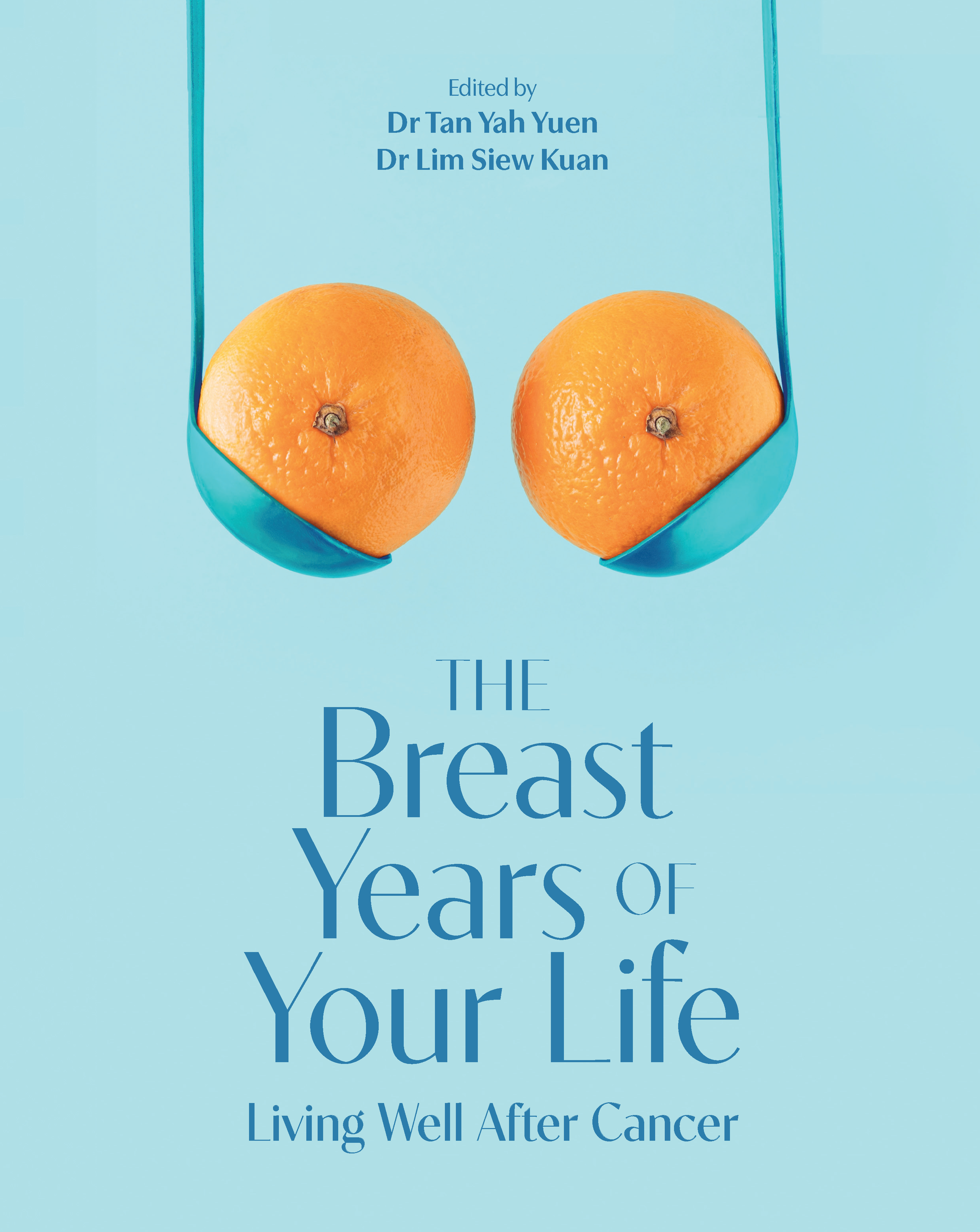
The Breast Years of Your Life – Living Well After Cancer is a thoughtfully designed book offering 260 pages of practical and heartfelt guidance for navigating life after breast cancer. Co-authored by a multidisciplinary team of experts, it explores key topics including physiotherapy, fertility and family planning, nutrition and wellness, Traditional Chinese Medicine (TCM) approaches, sexual health and intimacy, as well as recipes, exercises, and mental wellbeing.
In the following two extracts from the book, the contributors outline the principles of breast cancer treatment and systemic therapy, drawing on years of clinical experience to help individuals better understand treatment approaches that may be used at different stages of care.
To purchase a copy of the book, please visit https://www.solis.sg/the-breast-years-of-your-life/.
| POSTED IN | Cancer Treatments |
| READ MORE ABOUT | Breast Cancer |
| PUBLISHED | 01 April 2026 |