
News & Articles
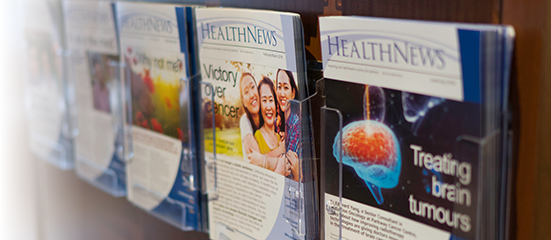
Women & Cancer: Small Changes Make A Big Difference

Breast and gynecological cancers have become concerns not only for middle-aged women but also for younger age groups in recent years. These diseases are showing a trend toward younger onset, affecting women of various ages and placing a significant burden on public health. In this interview, Dr Khoo Kei Siong, Medical Oncologist and Deputy Medical Director at Parkway Cancer Centre (Singapore), shares candid yet optimistic insights into emerging trends in prevention, treatment, and recovery.
SCREENING AND TREATMENT: ADVANCEMENTS FOR A GENTLER JOURNEY
Discussing breast cancer, Dr Khoo Kei Siong noted that the number of breast cancer cases in Singapore has tripled since the 1960s, and the figure continues to rise. Breast cancer can occur at any age, even in patients in their 20s. Family history is not always a factor. However, if detected early and treated appropriately, many cases are curable. For instance, Stage 1 breast cancer has a cure rate of over 90%.
One major barrier for women is the fear of screening—either due to anticipated pain or anxiety over the results. According to Dr Khoo, the gold standard remains the mammogram. While it may be uncomfortable, it can detect precancerous lesions that ultrasounds may miss. Today, 3D mammography (tomosynthesis) provides clearer images with less discomfort. There is also a growing trend towards personalised screening. High-risk individuals may benefit from MRI—a highly accurate but costly method, thus not widely recommended for the general population.
There is a noticeable increase in number of younger patients with breast cancer. Cervical cancer cases have declined in regions where Pap smears and HPV testing have been effectively implemented, proving the importance of prevention and early detection.
Dr Khoo further shared that young, unmarried women diagnosed with breast cancers still have the opportunity to preserve fertility, provided proper planning is in place from the beginning. Fertility preservation methods include ovarian suppression during chemotherapy, egg or embryo freezing, or cryopreservation of ovarian tissue for future reimplantation. He advises waiting at least two years post-treatment before attempting pregnancy. Pregnancy does not increase the risk of recurrence, though if recurrence happens, it may occur earlier.
Additionally, Dr. Khoo emphasised that personalised treatment is a clear trend. Therapies are increasingly tailored to the patient’s and tumor’s genetic profile (HER2, BRCA, PIK3CA, etc.), enabling the selection of targeted therapies. The era of “one-size-fits-all” treatment regimens is fading, and this personalisation helps reduce side effects and improve treatment outcomes.
“Thanks to medical advances, even aggressive cancers like HER2-positive breast cancer can now be effectively controlled with targeted therapies such as Herceptin, allowing patients to live more than 10 years with good quality of life. Moreover, immunotherapies are offering new hope to patients in advanced or recurrent stages,” Dr. Khoo affirmed.
RECOVERY AND HEALTHY LIVING AFTER TREATMENT
For cancer survivors, Dr. Khoo offered encouragement:
“Believe in your ability to recover. Make plans for physical activity, take care of yourself, maintain regular follow-ups, and continue living life to the fullest with your passion and relationships.”
He emphasised the essential role of family—especially partners—in both the physical and emotional healing process. Nutrition and exercise are vital supporting factors. Studies show that breast cancer patients who exercise three times a week for 30 minutes each session at brisk walking intensity experience longer survival than those who do not. A healthy diet, maintaining a proper weight, and regular physical activity not only aid recovery but also reduce the risk of recurrence.
Dr. Khoo expressed his optimism:
“Medical advancements are progressing daily, particularly in targeted therapy and immunotherapy. I believe these advances will significantly improve the survival and quality of life of many patients with breast and gynecological cancers.”
Although much about cancer in women remains uncertain and unknown, with the evolution of medical science and proactive awareness among individuals, the chances of defeating the disease are more promising than ever. Small changes—from attending a screening appointment, spending an hour exercising and keeping a healthy diet to maintaining a positive outlook—can make a huge difference in one’s life.
| POSTED IN | Cancer Treatments |
| READ MORE ABOUT | Breast Cancer, Cervical Cancer |
| PUBLISHED | 01 May 2026 |